
MOCA: Mapping an Art World
Los Angeles in the 1970s and 80s
I took a stroll Downtown, like I tend to do, just to end up at MOCA again. I was passional about this particular visit for the sole reason that the exhibition’s focus was based on a pivotal time in pop art (which i personally became fixated with during the pandemic). However, none of those artists that had caught my attention were based here, in LA.
MOCA was founded in the years leading up to its opening in 1979 (later MOCA Grand Avenue in 89’), therefore this project importance stems from the museum commemorating the artist that made the Museum of Contemporary Art what it is today. Including Jo Baer, Lynda Benglis, Wallace Berman, Via Celmins, Robert Irwin, Charles Ray, Jim Shaw, and Kiki Smith.
Some of the pieces that I would consider my favorite from just what I saw physically in the exhibit would be :
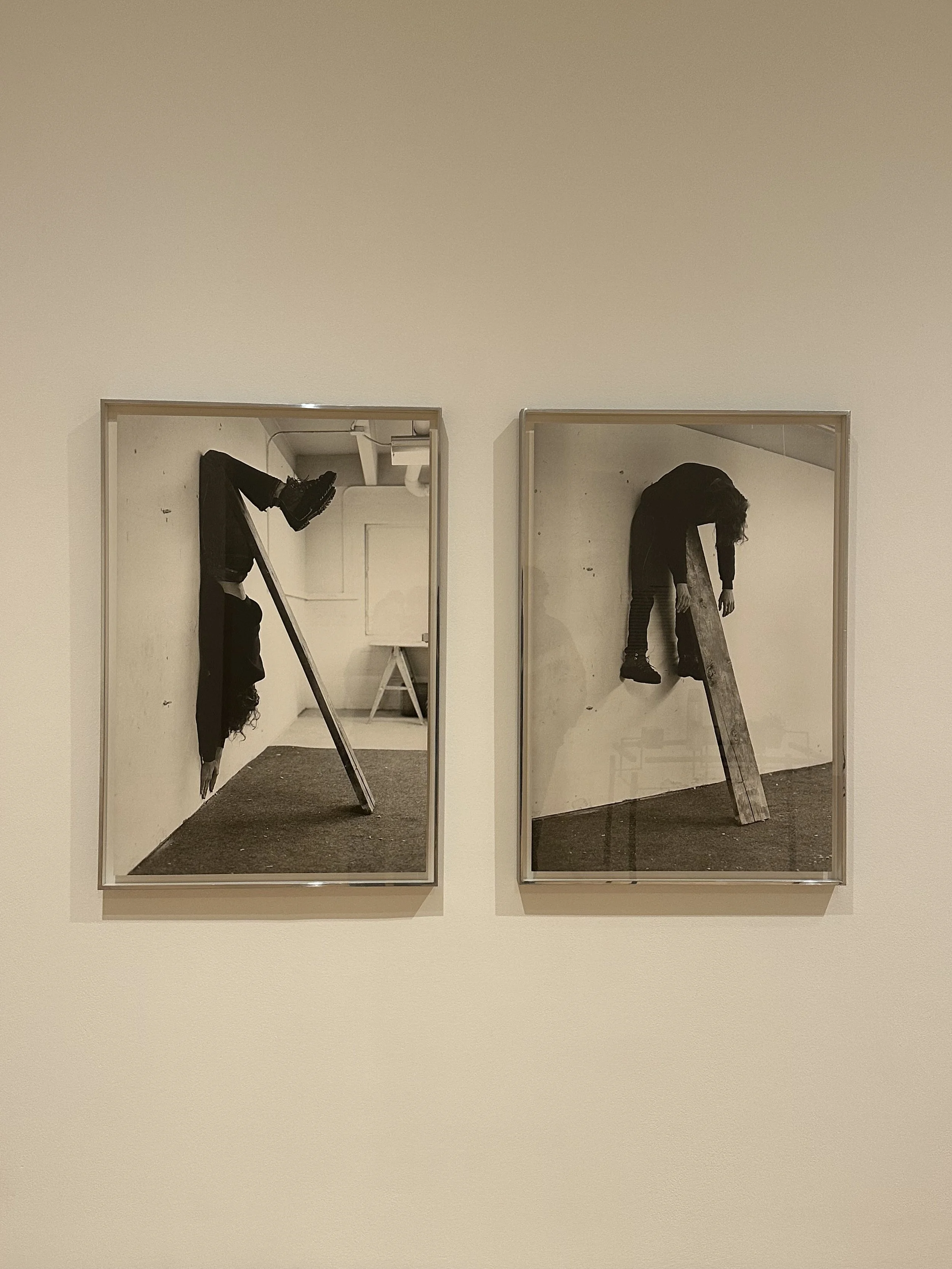
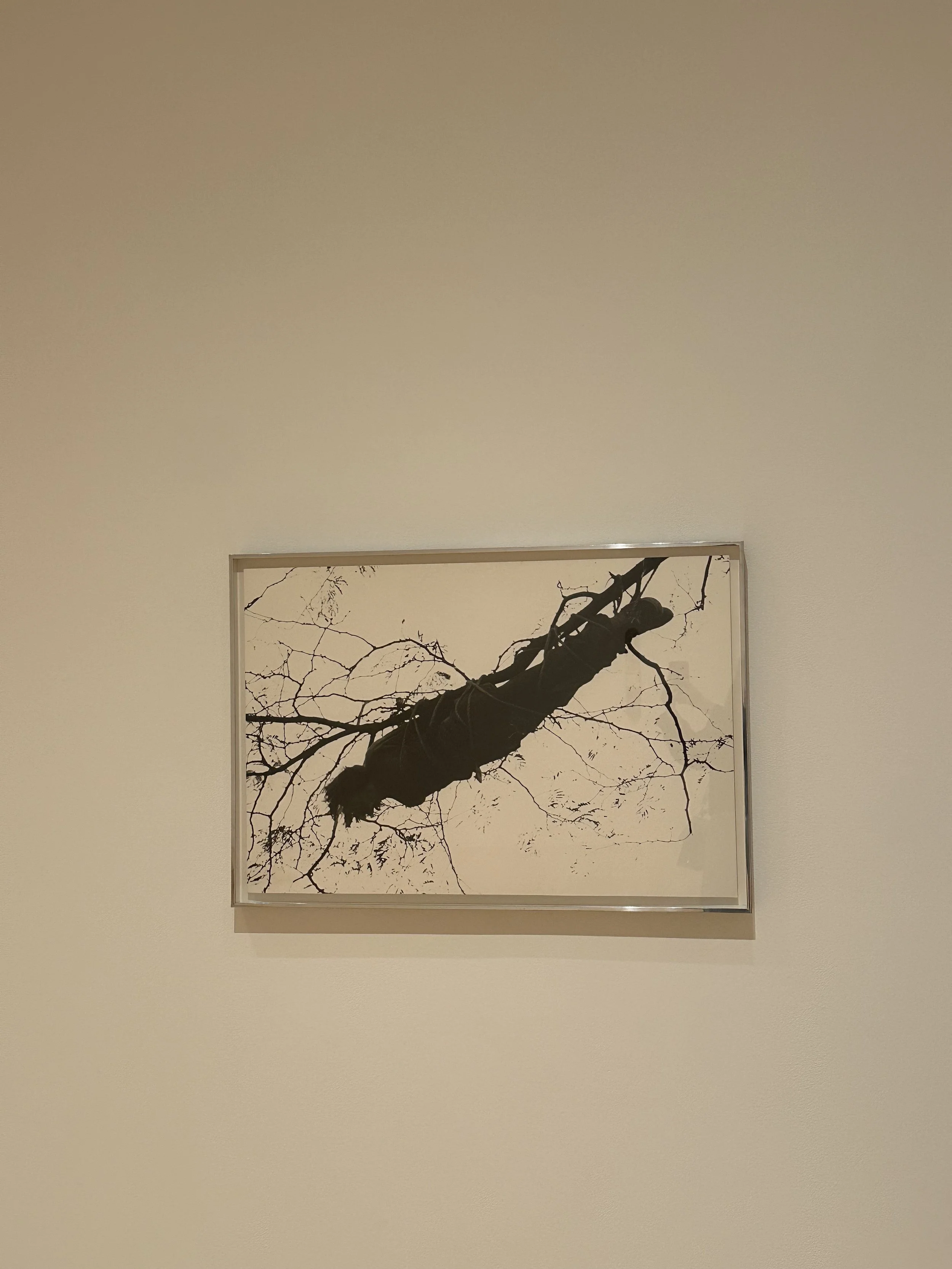
Charles Ray : Plank Piece I-II, 1973, 1989
Charles Ray: Untitled, 1973, printed 1989
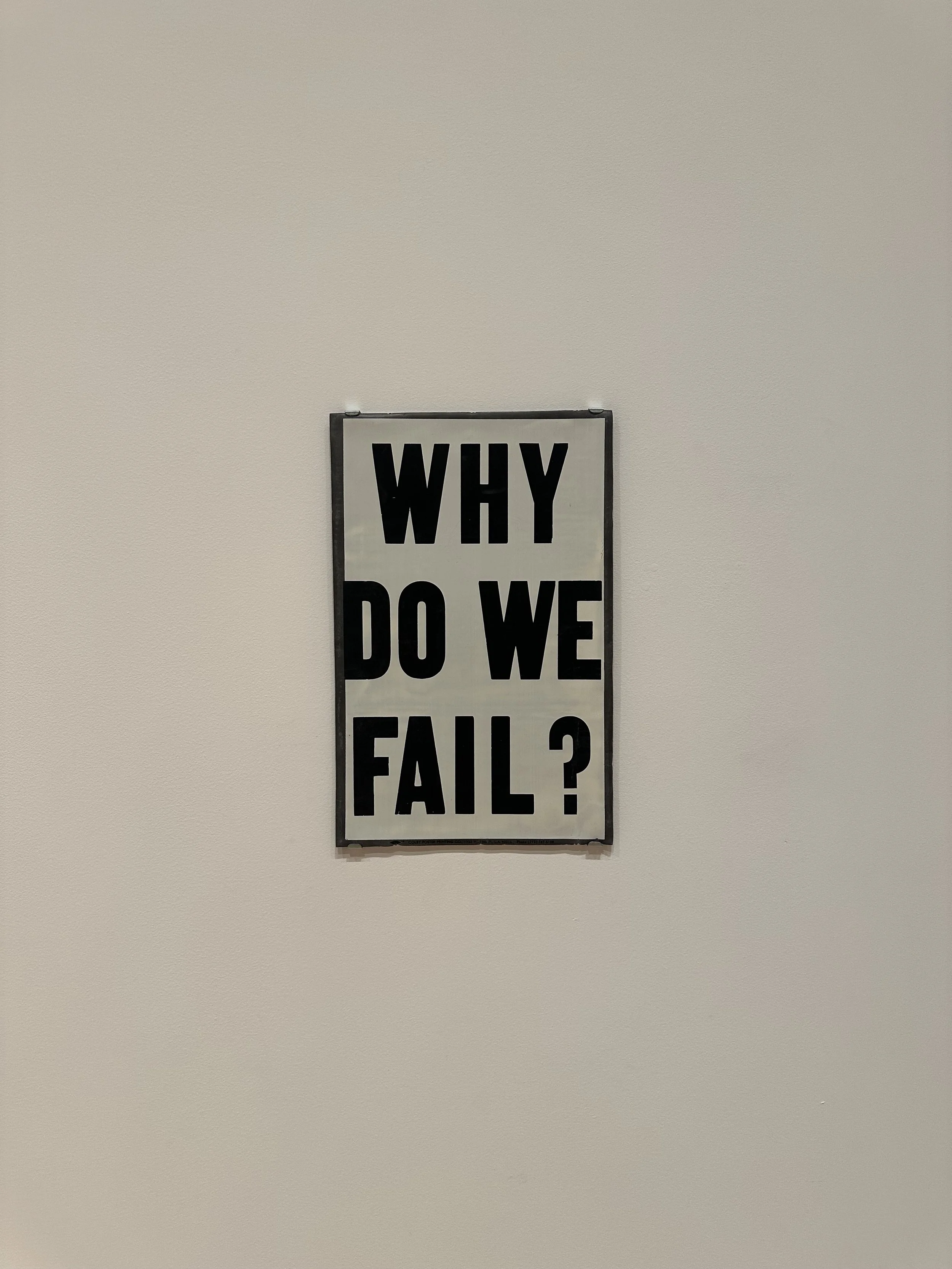
Allen Ruppersberg: Why do we fail ? 1988
It seems like the late 1980s were artist reminiscing the early 70s. Which makes, because a-lot of the attraction I have toward Pop Art is how much it ties into the HIV epidemic. That it slightly strange that I enjoy seeing how drastically peoples lives were changes and impacted in such a short span of time.
One artist that I feel really captivated this was Kiki Smith. Ugh, this woman ! She’s known for having confronted the subject of AIDS, feminism, and gender. She has also explored the skeleton, limbs, organs, the musculature, the skin, and the body’s fluids. Moca has Smith’s “Untitled, 1990”. Its actually twelve mirrored, etched glass jars that, check this out, the jars are empty, plated with silver, and etched in gothic lettering with the name of a bodily fluid written on them( in german) !
Urin (urine), Milch (milk), Öl (oil), Speichel (saliva), Schweiss (sweat), Blut (blood), Schleim (mucus), Durchfall (diarrhea), Samen (semen), Tranen (tears). Eiter (pus), and Erbrochenes (vomit).
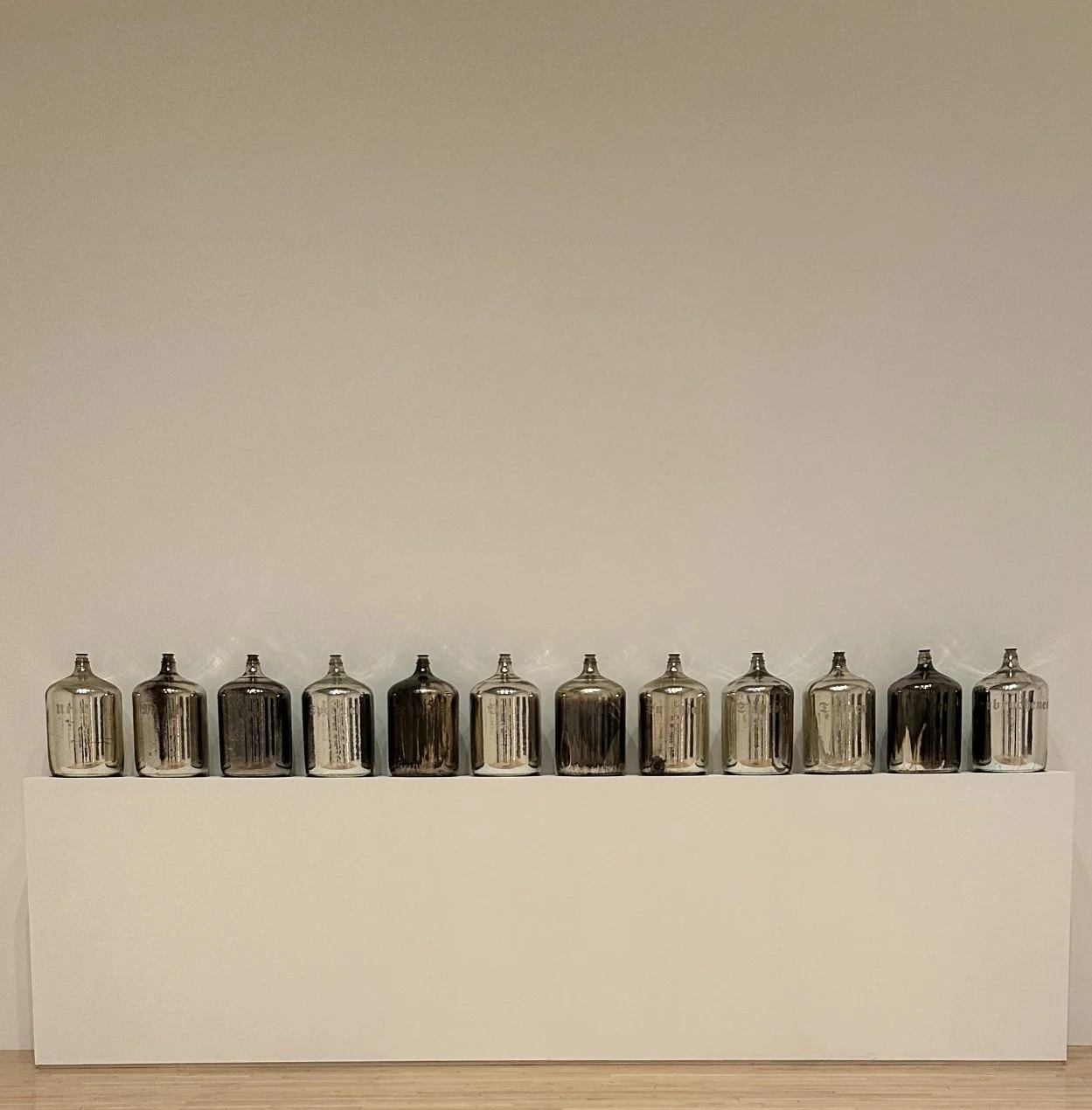
“A meditation on mortality and spirituality in the context of the AIDS crisis, the work's corporeal and religious references harken to the period's intense culture wars over gay rights, abortion, sexuality and morality, political power, and government funding for both medical research and the arts.”